

There’s a moment when a city stops feeling like it’s trying to become a global destination and starts feeling like it already is one.
I think Abu Dhabi is somewhere around that moment right now.
Not because of one new tower. Not because another luxury hotel has opened. And not even because property prices are moving.
Look at what’s being built around the city instead.
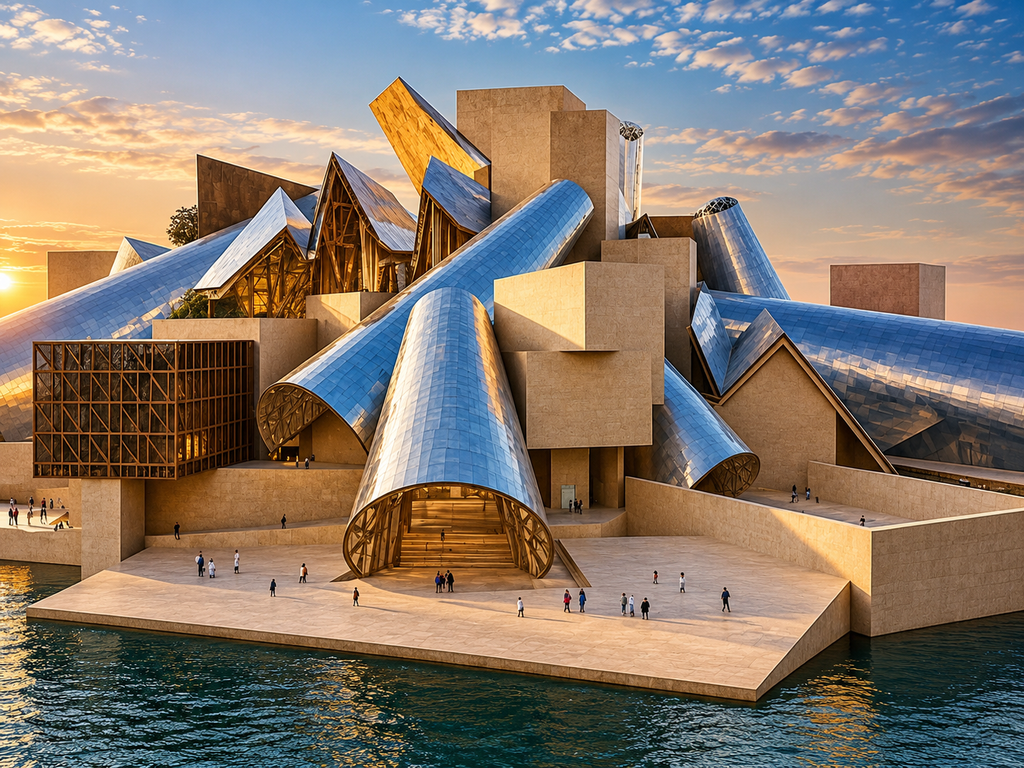
Disney is coming to Yas Island. Guggenheim Abu Dhabi is preparing to open on Saadiyat Island. Zayed National Museum and Natural History Museum Abu Dhabi are already welcoming visitors. Louvre Abu Dhabi has been here for years. Then you’ve got Ferrari World, SeaWorld, Yas Waterworld, major sporting events, concerts, restaurants, beaches, and waterfront communities all sitting within the same wider ecosystem.
Put those pieces together, and you start to see something bigger.
Abu Dhabi isn’t simply adding attractions.
It’s building reasons for people to come. And, just as importantly for anyone watching the property market, reasons for people to stay longer, come back, and eventually consider living or investing here.
The numbers are starting to tell the same story
Here’s what caught my attention.
Abu Dhabi recorded 26.6 million visitors in 2025, while 5.9 million guests stayed in hotels. Hotel revenue reached AED 9.1 billion, up 19.5% year-on-year, and international hotel guests increased by 10%.
That’s already a substantial tourism economy.
But Abu Dhabi’s Tourism Strategy 2030 is aiming higher: 39.3 million annual visitors by 2030, alongside a target of AED 90 billion in annual tourism contribution and an estimated 178,000 new jobs across the tourism ecosystem.
Think about it this way.
Those aren’t simply people walking through airport terminals.
Visitors need hotels. Employees need homes. Restaurants need customers. Companies need offices. Families need schools. Entertainment districts need infrastructure.
And suddenly, tourism starts becoming a real estate story too.
Not overnight. And certainly not in the simplistic “new attraction equals property prices go up” way you sometimes see online.
But over time? Absolutely something worth watching.
Disney choosing Yas Island is a bigger deal than the name itself
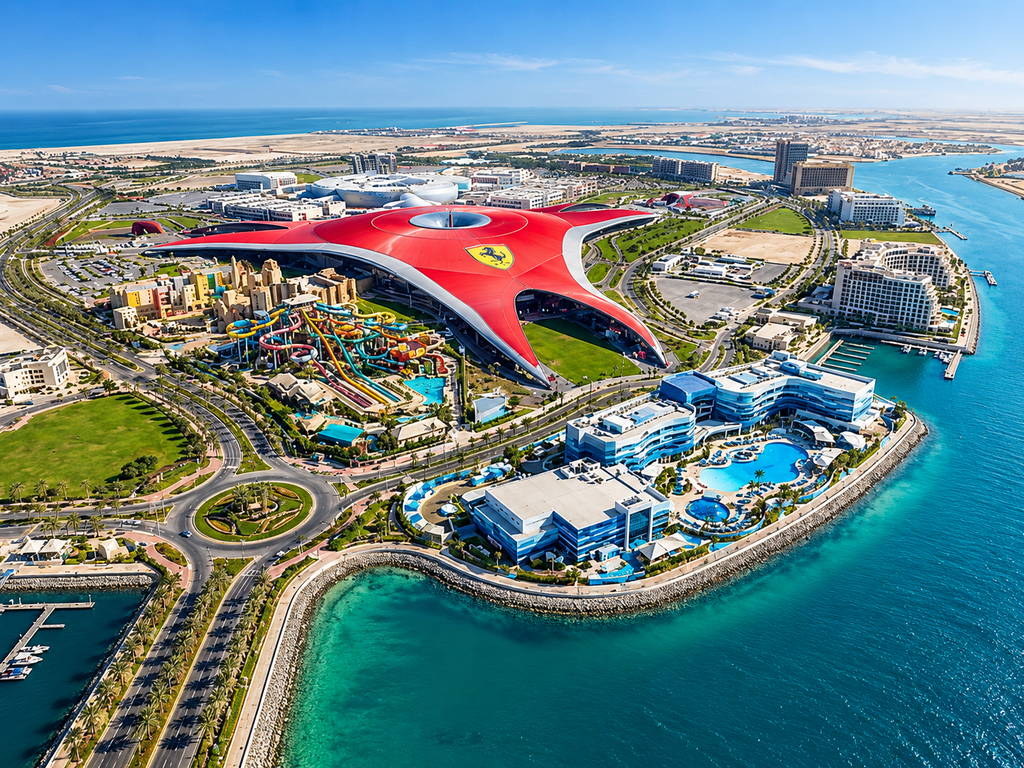
When Disney and Miral announced their agreement in May 2025, Yas Island was confirmed as the home of Disney’s seventh global theme park destination and its first in the Middle East.
The resort will sit on the waterfront. Miral will develop, build and operate it, while Disney provides its intellectual property and creative and operational expertise. No official opening date has been announced yet.
And that last sentence matters.
There’s already plenty of speculation around timelines, but as an investor, I’d separate confirmed information from excitement. You don’t buy a property because someone on social media tells you Disney will open in a particular year.
You look at the wider direction.
Disney had plenty of places it could have chosen.
It chose Yas Island.
And Yas wasn’t exactly starting from zero. Ferrari World already has more than 40 rides and attractions, Yas Waterworld has expanded to more than 70, and SeaWorld Abu Dhabi has eight themed realms.
So Disney isn’t creating Yas Island’s entertainment story.
It’s joining one that’s already well underway.
For property buyers, that distinction is important.
I generally feel more comfortable looking at areas where infrastructure, tourism, and community development are already happening rather than investing purely on the promise that someday they might.
Yas has the airport nearby. It has hotels. Theme parks. Yas Marina Circuit. Yas Bay. Yas Mall. Residential communities. Schools. Waterfront destinations.
Disney becomes another layer.
A very big layer, granted… but still part of something larger.
Then there’s Saadiyat, and it’s playing a completely different game
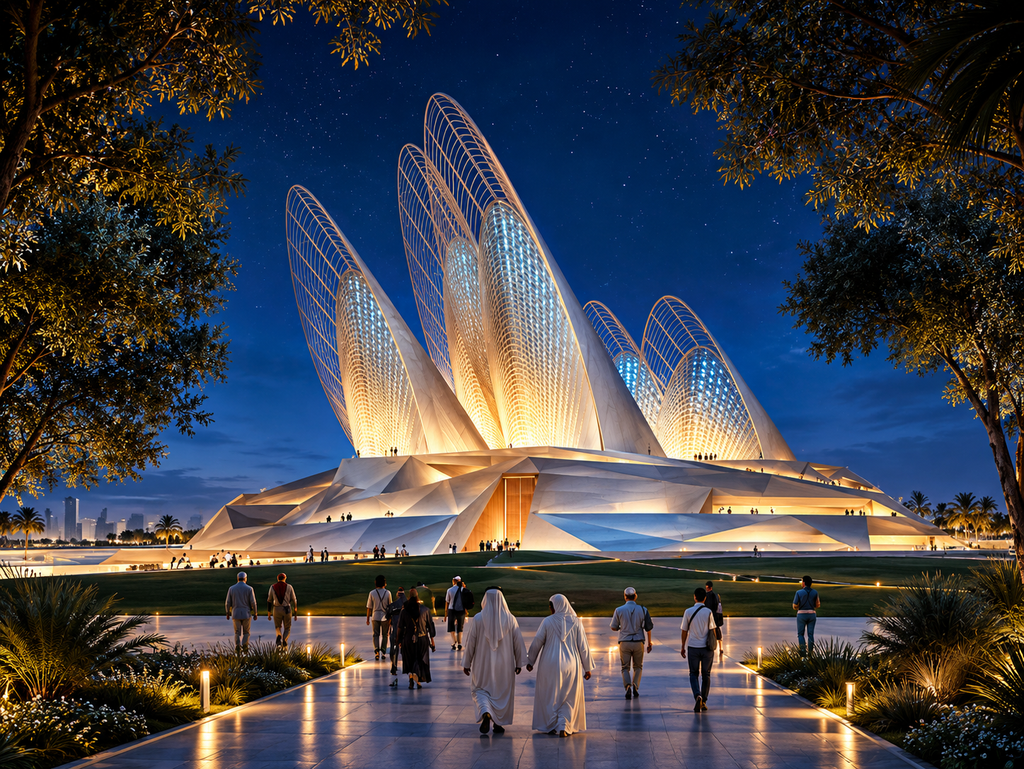
Drive roughly across to Saadiyat and the atmosphere changes.
Yas gives you rollercoasters, events, and entertainment.
Saadiyat gives you art, museums, beaches and culture.
And I actually think having both matters more than people realise.
Zayed National Museum opened in December 2025. Natural History Museum Abu Dhabi also opened in 2025, joining Louvre Abu Dhabi and teamLab Phenomena in the Saadiyat Cultural District.
Now comes another major piece.
Guggenheim Abu Dhabi is officially scheduled to open on December 11, 2026.
Designed by the late Frank Gehry, the museum will contain 30 galleries, around 11,600 square metres of indoor gallery space and approximately 23,000 square metres of outdoor exhibition areas within an 80,000-square-metre development.
That’s not a small neighbourhood museum.
It’s another institution capable of putting Saadiyat on somebody’s travel itinerary before they’ve even booked their flight.
And here’s what I mean when I say Abu Dhabi’s strategy feels different.
You can bring a family because the children want Disney.
Someone else comes because they want the Louvre and Guggenheim.
Another visitor comes for Formula 1.
Someone flies in for a conference.
Someone comes for the beaches.
Another person visits friends, loves the city and starts wondering what apartments cost.
Different reasons. Same destination.
That diversity is healthy.
So what does all of this have to do with property?
This is where I’d be careful.
Tourism announcements make fantastic headlines, but a headline alone doesn’t make an investment.
If a developer launches a property tomorrow and says, “Disney is coming, therefore this is a guaranteed investment,” I’d still want to see the numbers.
What’s the price per square foot?
What are comparable properties actually selling for?
What’s the expected supply around the community?
How much are service charges?
Who is likely to rent this property?
Are you buying something people will genuinely want to live in five years from now, or are you paying a massive premium because everyone happens to be talking about the area this week?
Those questions don’t disappear because Mickey Mouse is moving into the neighbourhood.
But major tourism infrastructure can strengthen the fundamentals around a location.
More attractions can support hotel demand, hospitality employment, retail spending and short-stay traffic. International recognition can introduce an area to buyers who may never have considered it before. And continued infrastructure investment can gradually turn what once felt like a destination into a complete place to live.
That’s the part I watch.
Yas and Saadiyat shouldn’t really be compared like-for-like
People sometimes ask us at Cielo Properties which is “better”: Yas Island or Saadiyat Island.
I don’t think that’s the right question.
They’re becoming two very different pieces of Abu Dhabi.
Yas leans heavily into entertainment, events, family attractions and active lifestyle.
Saadiyat leans toward beaches, culture, museums, high-end hospitality and premium residential living.
One isn’t required to beat the other.
In fact, their differences may be exactly why the wider Abu Dhabi story works.
A city that relies on one type of visitor is vulnerable. A city that can attract families, art lovers, sports fans, conference delegates, luxury travellers and long-term residents has a much broader foundation.
And we’re already seeing that visitor base widen.
In 2025, India remained Abu Dhabi’s biggest international hotel market, while Russia, the UK, China and Saudi Arabia were also among the leading sources of guests. International hotel guest numbers overall increased 10% year on year.
That’s the sort of number I find more interesting than a flashy rendering.
It tells you real people are already coming.
Abu Dhabi is thinking in decades.
Abu Dhabi’s 2030 strategy is trying to move annual visitor numbers from roughly 24 million in 2023 to 39.3 million by the end of the decade. The same plan originally targeted expansion of hotel capacity from approximately 34,000 rooms in 2023 toward more than 50,000 rooms.
Meanwhile, the city keeps adding reasons to visit.
And that’s what I’d focus on.
Not Disney by itself.
Not Guggenheim by itself.
Not one villa project or one apartment tower.
The ecosystem.
Because when you invest in property, you’re never really buying four walls.
You’re buying what’s happening around those four walls.
So, would I buy property simply because Disney is coming?
I’d look at the community itself, upcoming supply, comparable transactions, rental demand, developer quality, payment structure, and the price I’m being asked to pay today.
That’s where the conversation gets interesting.
Abu Dhabi clearly has momentum. The tourism numbers show it, the infrastructure shows it, and the calibre of institutions choosing to establish themselves here shows it.
But good investing isn’t about chasing momentum blindly.
It’s about understanding where that momentum is actually creating long-term demand, and where the price has already run ahead of the story.
Disney will bring excitement.
Guggenheim will bring another layer of global cultural attention.
But for property buyers, the real opportunity is understanding what Abu Dhabi is building around them.
And that’s a much bigger story.
FAQ section
Is Disney coming to Abu Dhabi?
Yes. The Walt Disney Company and Miral announced plans in May 2025 for a waterfront Disney theme park resort on Yas Island. It will become Disney’s seventh global theme-park destination. An official opening date has not yet been announced. The Walt Disney Company
When will Guggenheim Abu Dhabi open?
Guggenheim Abu Dhabi is scheduled to open on 11 December 2026 in Saadiyat Cultural District. Media Office Abu Dhabi
How many tourists visit Abu Dhabi?
Abu Dhabi recorded 26.6 million visitors in 2025, according to the Department of Culture and Tourism – Abu Dhabi. Media Office Abu Dhabi
What is Abu Dhabi’s Tourism Strategy 2030?
Abu Dhabi’s Tourism Strategy 2030 targets 39.3 million annual visitors by 2030, alongside wider tourism-sector expansion. Media Office Abu Dhabi
How could tourism growth affect Abu Dhabi property investment?
Tourism growth can contribute to hotel demand, employment, retail activity and greater international visibility. But individual property performance still depends on factors such as purchase price, supply, location, rental demand, service charges and the quality of the development.
That last answer is especially important because it keeps the