

By a senior broker at Cielo Properties
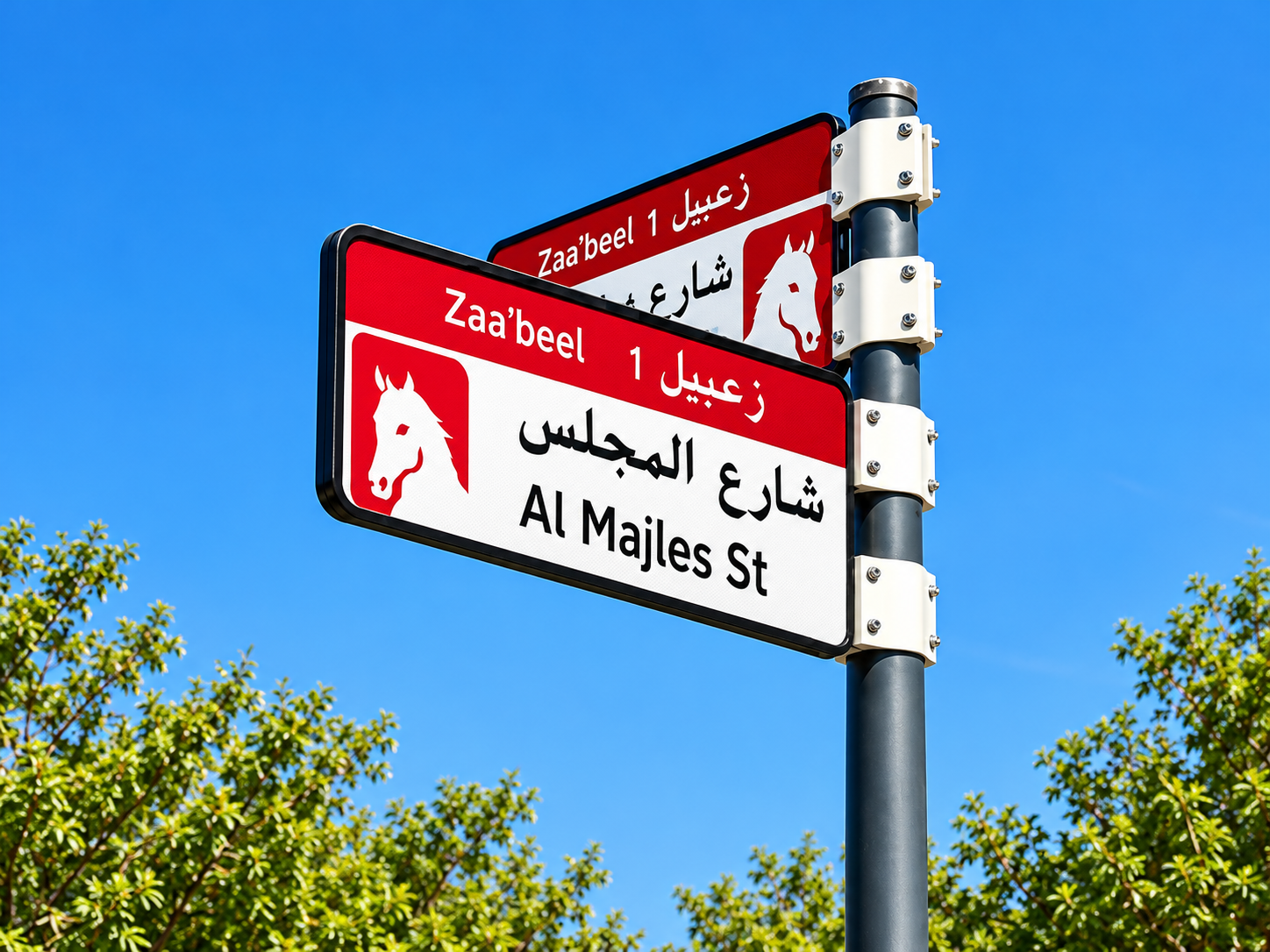
Dubai’s latest announcement caught my attention. On 7 October 2026, the Supreme Committee for Urban Planning, working with the Roads and Transport Authority and Dubai Municipality, announced a new visual identity for the city’s addressing system. Area signs, internal street name signs, and house number plates will get coordinated designs.
The programme covers 186 areas across 19 sectors, with a phased rollout scheduled from the fourth quarter of 2026 through 2030. The aim is to make locations easier to identify and neighbourhoods easier to navigate.
For someone choosing a home, that’s a detail worth understanding. Knowing where a property sits on a map and finding your way there comfortably are two different experiences.
The first phase will involve installing or replacing more than 2,000 signs in five areas: Za’abeel 1, Za’abeel 2, Nad Al Sheba, Al Khawaneej 1, and Nazwa.
The authorities are deciding priorities using factors including population density, urban growth, residential and tourist attractions, and how many streets still need formal addressing. So this is a gradual programme; the announcement doesn’t mean every neighbourhood will have its new signs immediately.
One of the more interesting details is the colour scheme. The system will use five colours linked to the geographical character of different areas. Blue will represent areas close to the sea, while gold will represent desert environments.
I like that idea. A colour can give you a quick visual clue about where you are, especially when the street names are unfamiliar. And it gives an area some character without asking you to stop and study a map.
Think about visiting a community for the first time. You’re already taking in the turns, the entrances, and where you can park. A consistent set of signs could make that first visit a little less demanding. That’s the practical benefit I’d look for as the rollout progresses.
The house plates are getting attention too. They’ll display each property’s Makani number, Dubai’s location identifier, alongside a QR code. Their colours will match the wider addressing design.
The QR codes are intended to provide information about areas and sectors, the meanings behind street and area names, and nearby points of interest. Later stages are also planned to extend the visual identity to bus stops, smart applications and area map boards.
Here’s what I find appealing about that: an address can help you understand a place as well as find it. If you’ve just moved into a neighbourhood, learning the story behind a street name or discovering a nearby landmark could make it feel more familiar.
Of course, we’ll have a better sense of how useful these features are once they’re in place and people are using them. For now, the announcement sets out the plan.
And this is where I’d bring the conversation back to property.
When you’re looking at a new home, it’s easy to spend most of your time on the layout. Does the sofa fit? Is the balcony big enough? Can you turn that extra room into a proper office? All sensible questions.
But try adding another one: how does it feel to arrive here?
Picture your first week after moving in. A friend comes over for dinner. A technician needs to find the entrance. You’re coming home after dark and still learning the roads. Those ordinary moments tell you something about a neighbourhood that a floor plan can’t.
My view is that clearer addressing could improve those moments. That’s the value I see in this announcement. I wouldn’t put a figure on any effect on property prices or rental income; the reports don’t establish one.
At Cielo Properties, I’d use this news as a reason to look more closely at the streets around a home. When we discuss an off-plan purchase, the conversation should include how the community is expected to work at handover, alongside the property itself.
A planned improvement is useful context. You still need to ask what’s there today, what’s scheduled, and what the developer can confirm will be ready when you get the keys. A citywide rollout running through 2030 leaves plenty of room for different neighbourhoods to be at different stages.
So, before your next viewing, ask for the exact entrance location. Try the drive at a time you’d normally be coming home, then spend ten minutes walking the surrounding streets. Notice whether the signs are clear and whether a first-time visitor could find you without a phone call.
If you’re buying off-plan, bring those same questions to the sales meeting. Ask to see the planned access routes and how the property will be identified at handover. It’s a small addition to your checklist, but it brings the conversation closer to the life you’ll actually live there.